

About Shigaraki
A Town of Pottery and Culture
Shigaraki
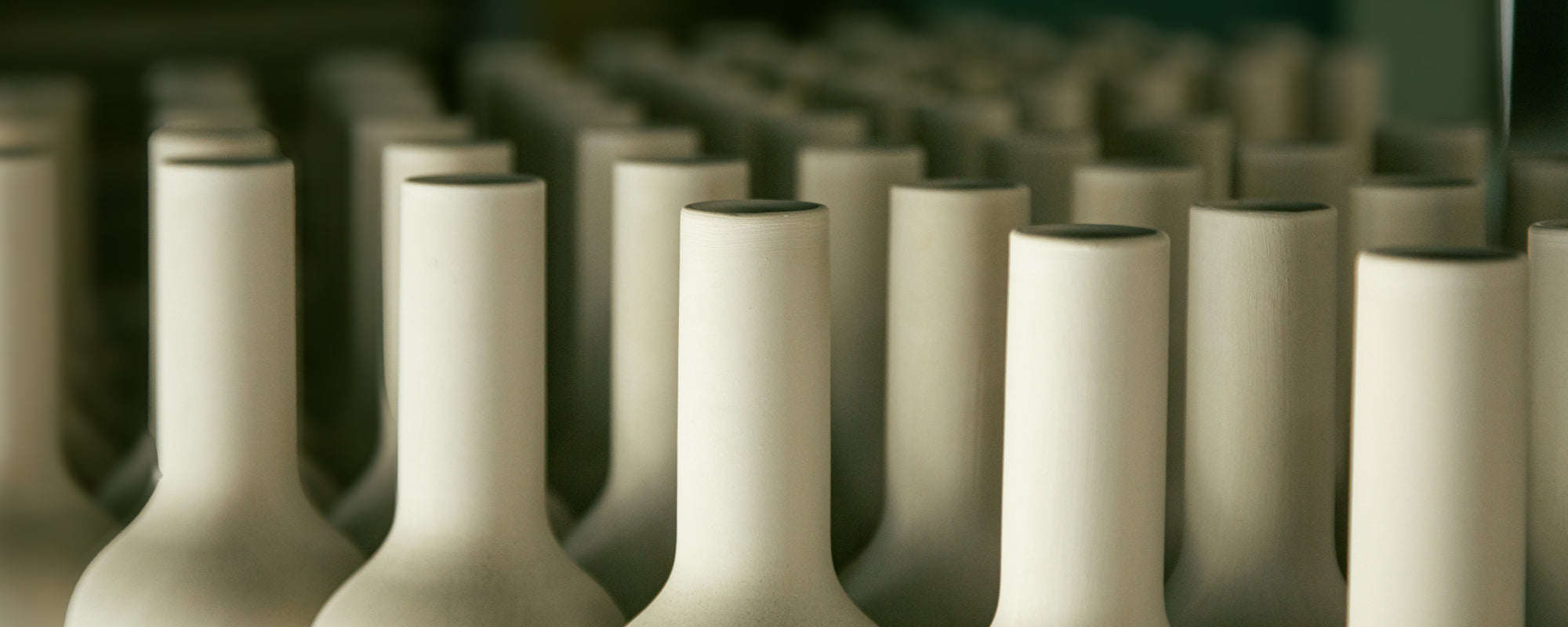
Shigaraki is one of Japan’s Six Ancient Kilns (Rokkoyō), and among the oldest pottery-producing regions in the country, with origins said to date back more than 1,200 years.
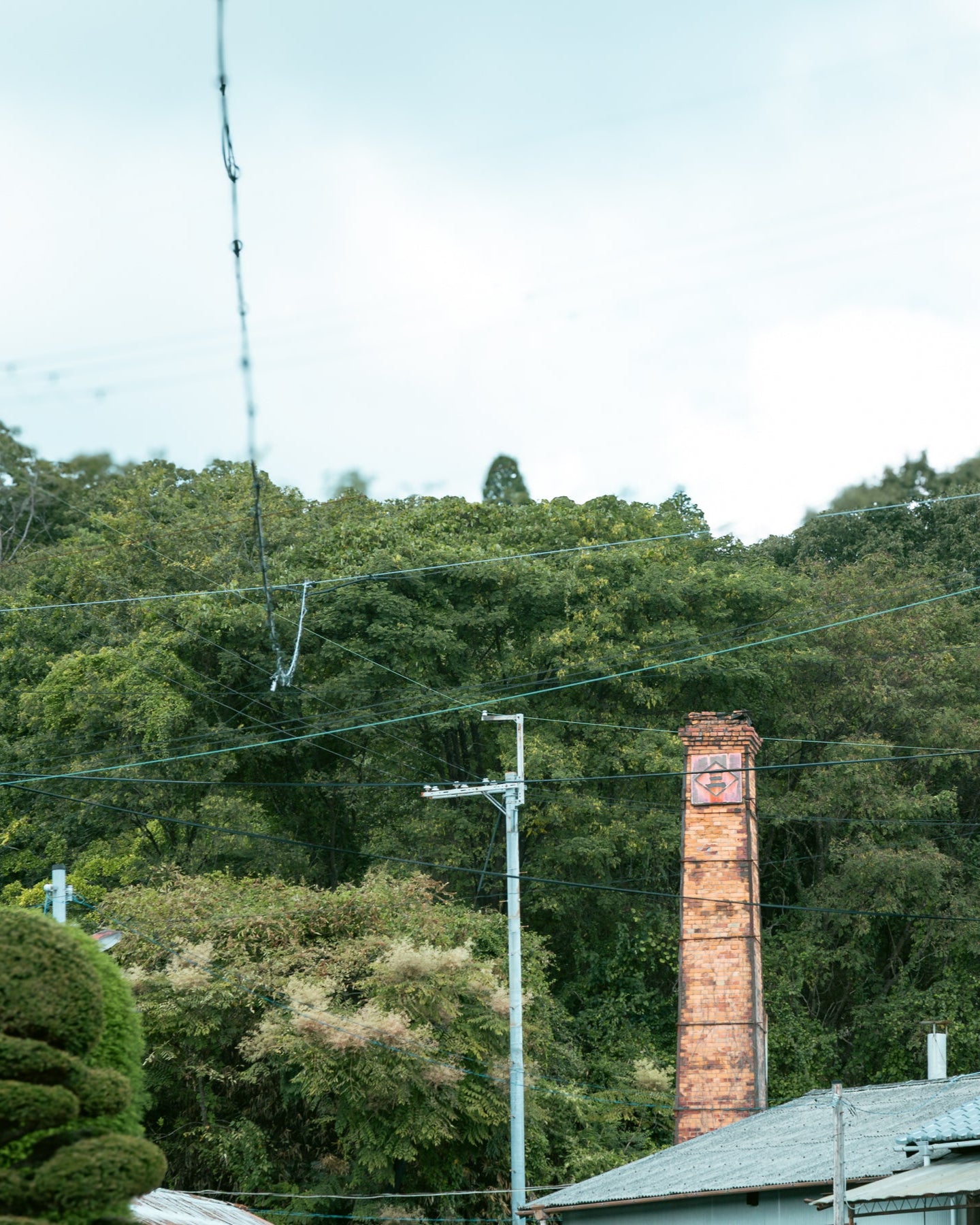
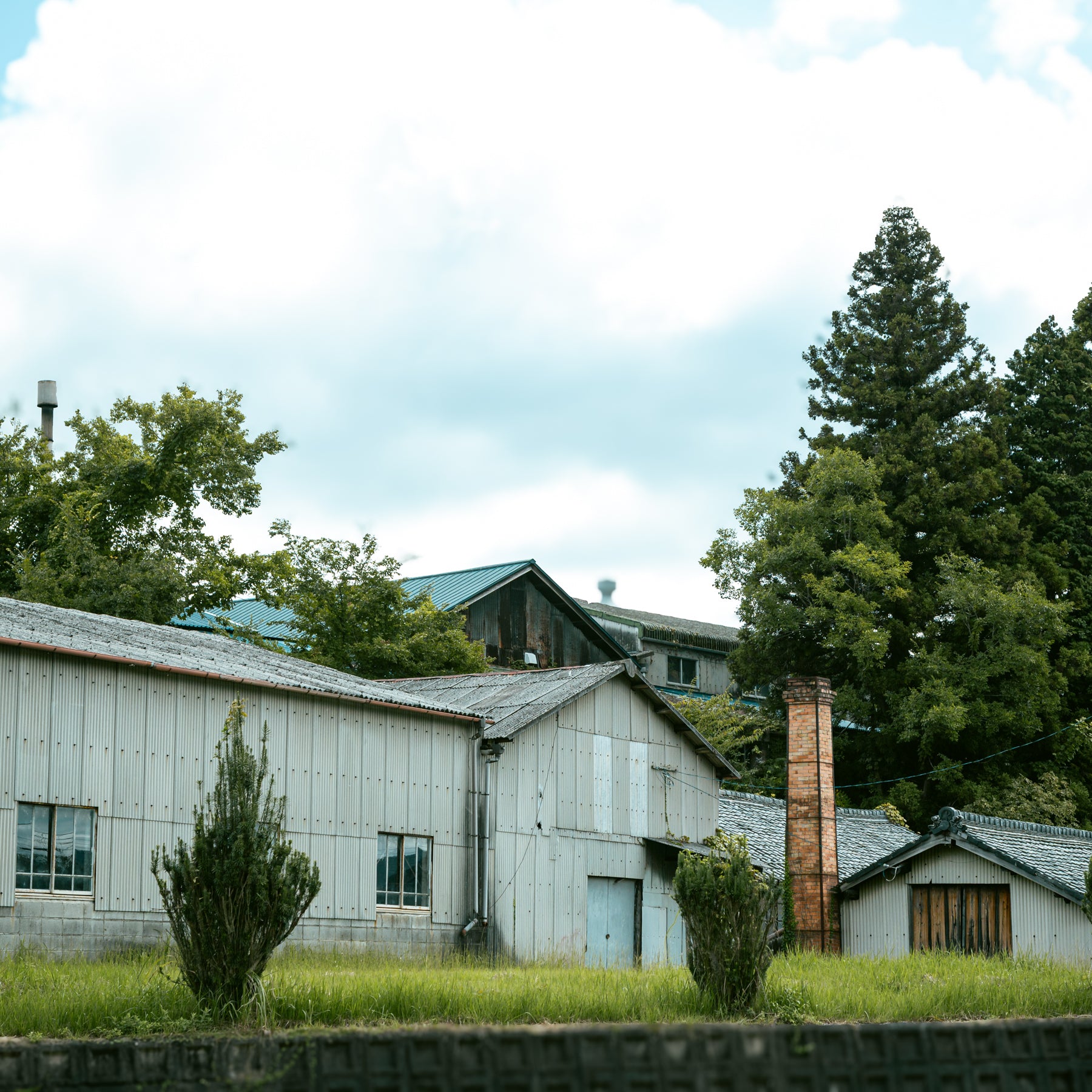
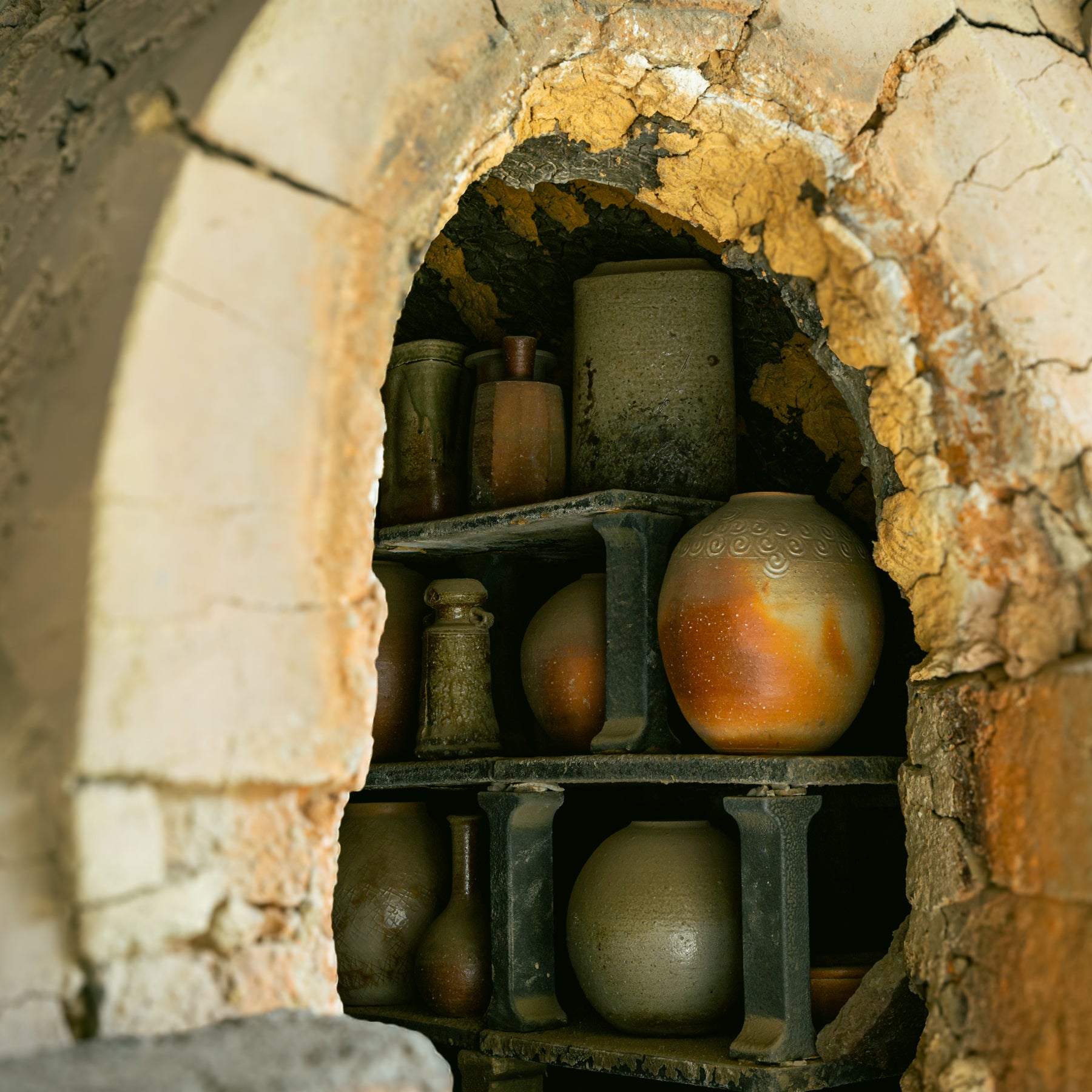
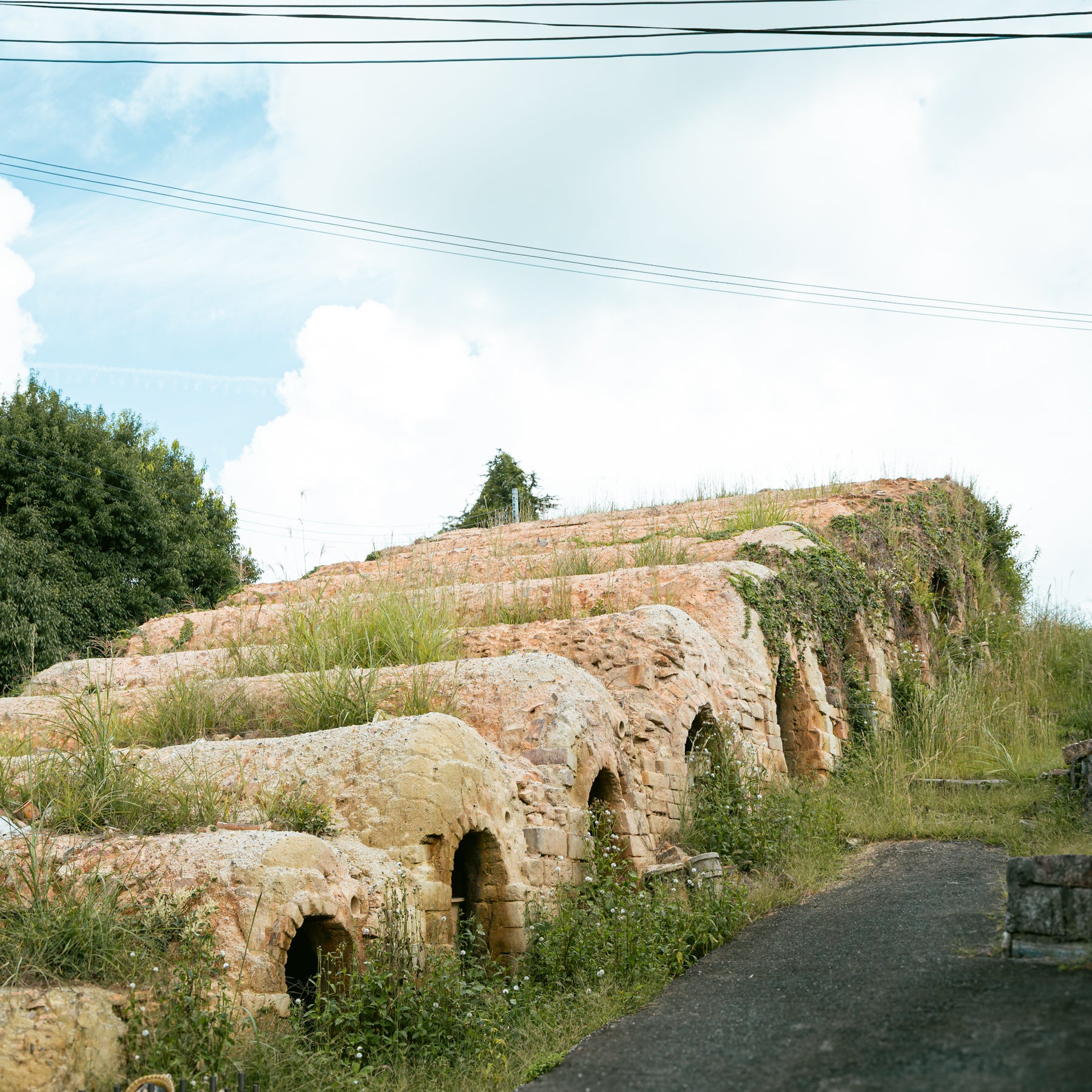
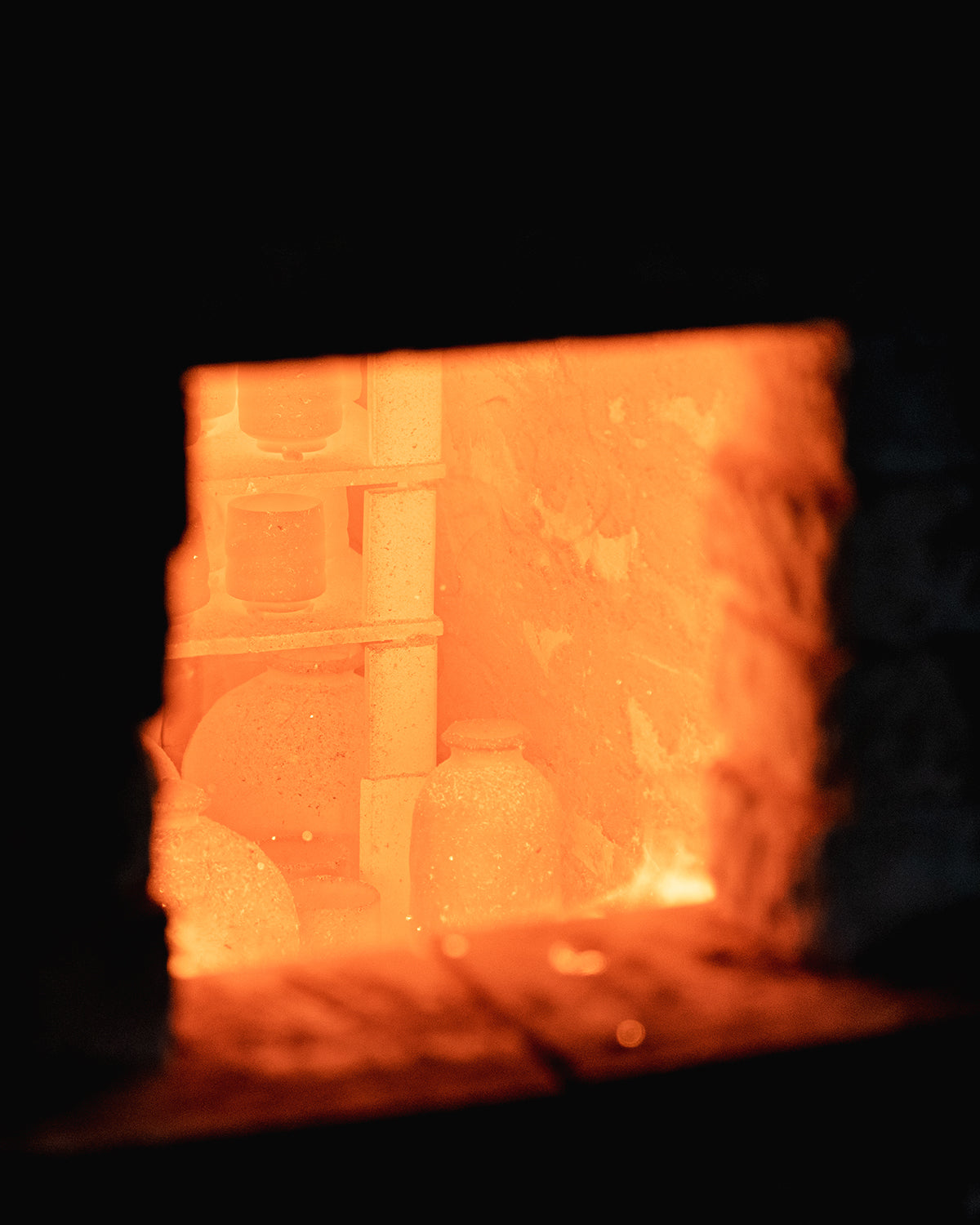
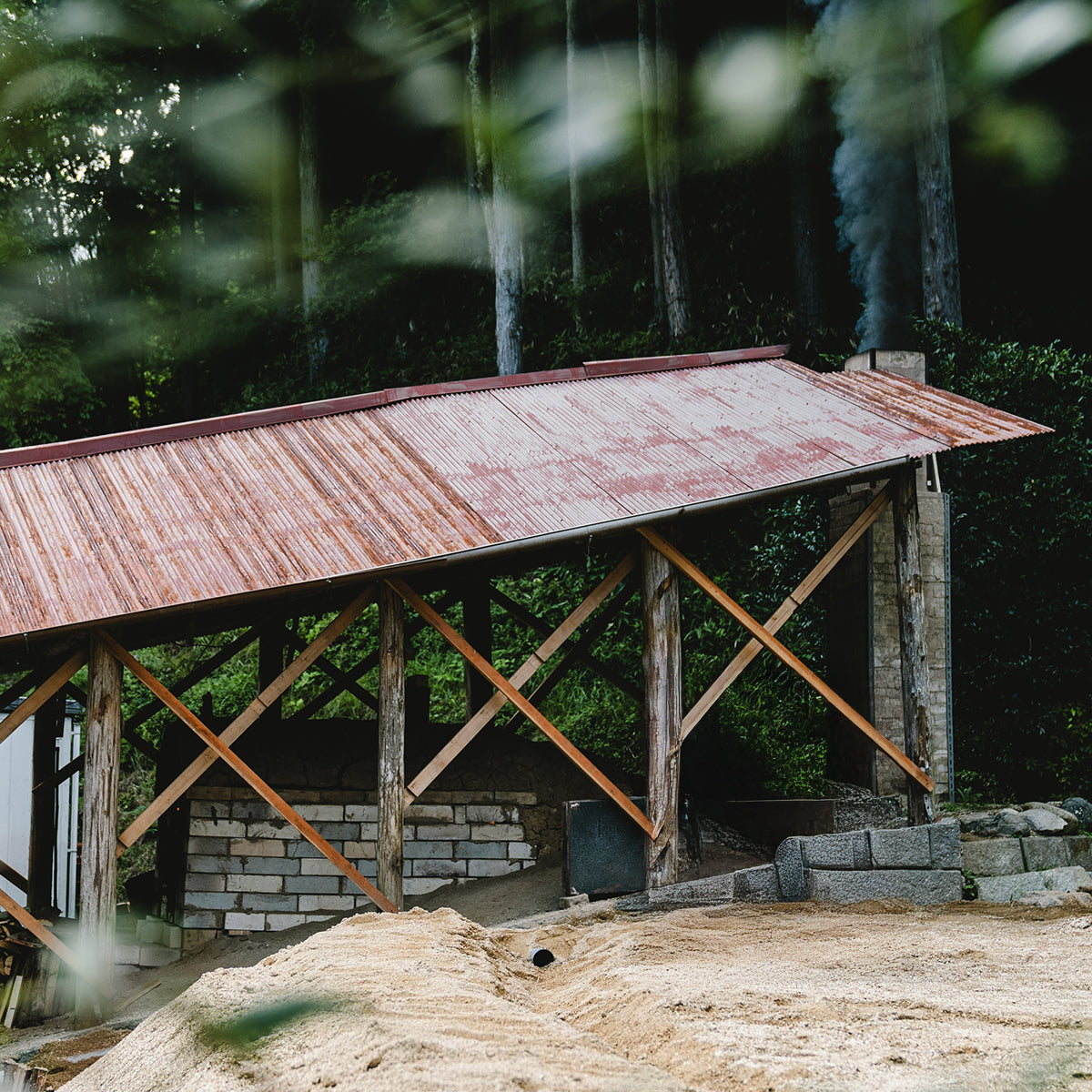
Across the town, historic climbing kilns (noborigama) and cave kilns (anagama) remain as industrial heritage sites, and even today, many kilns continue to produce pottery in these very places.
Long ago, in 742 (the 14th year of the Tenpyō era), Shigaraki was also the site of the imperial palace Shigaraki no miya, built by Emperor Shōmu. Though the capital was relocated after only a few years, earning it the name “the Phantom Palace”, archaeological excavations are still underway to uncover its mysteries.
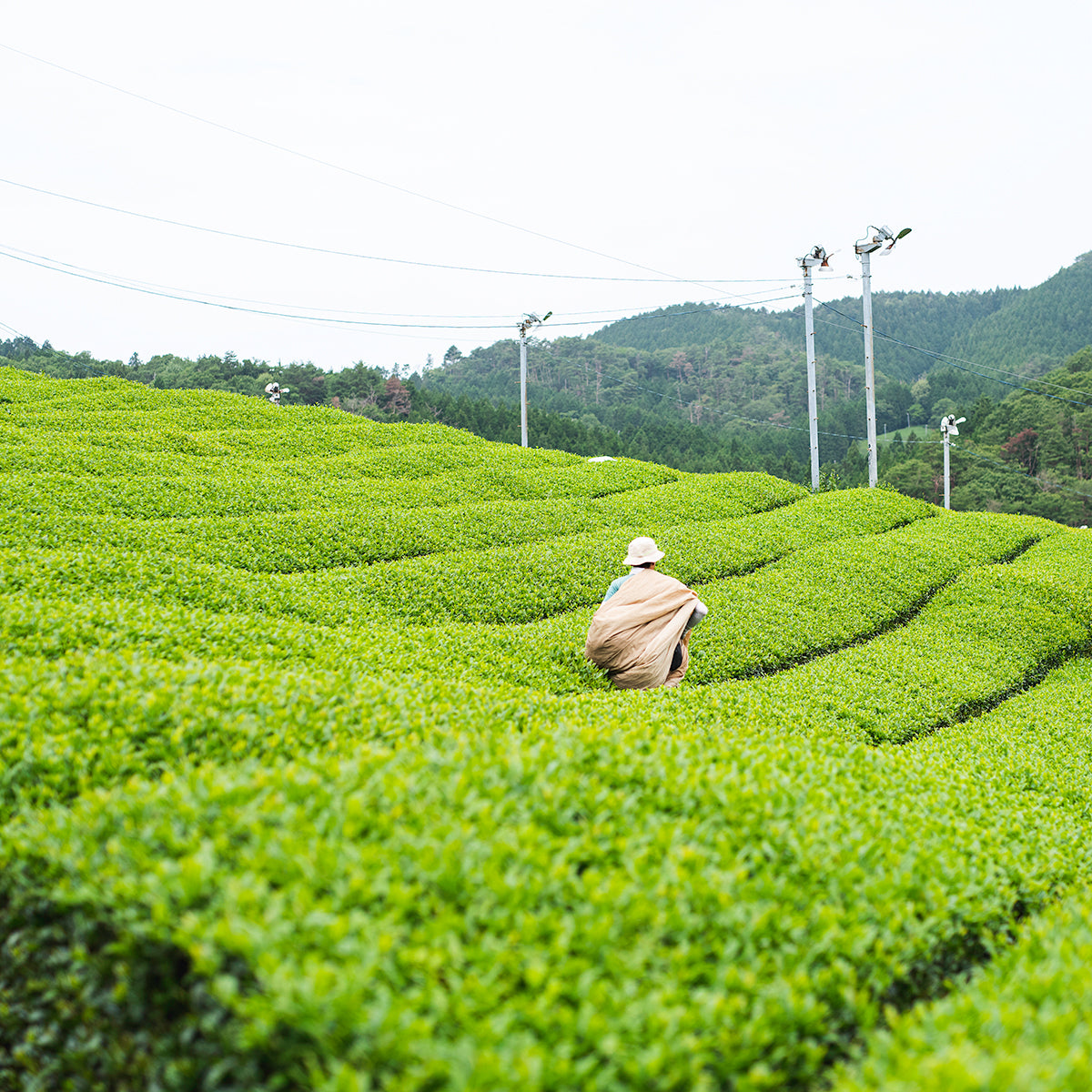
Beyond pottery, Shigaraki is also renowned as the home of Asamiya tea, one of Japan’s five most celebrated teas. Together, these traditions have made Shigaraki a land rich in culture and heritage for centuries.
Characteristics of
Shigaraki Ware
Shigaraki ware is born from high-quality clay found in the ancient Lake Biwa layer, formed over four million years ago.
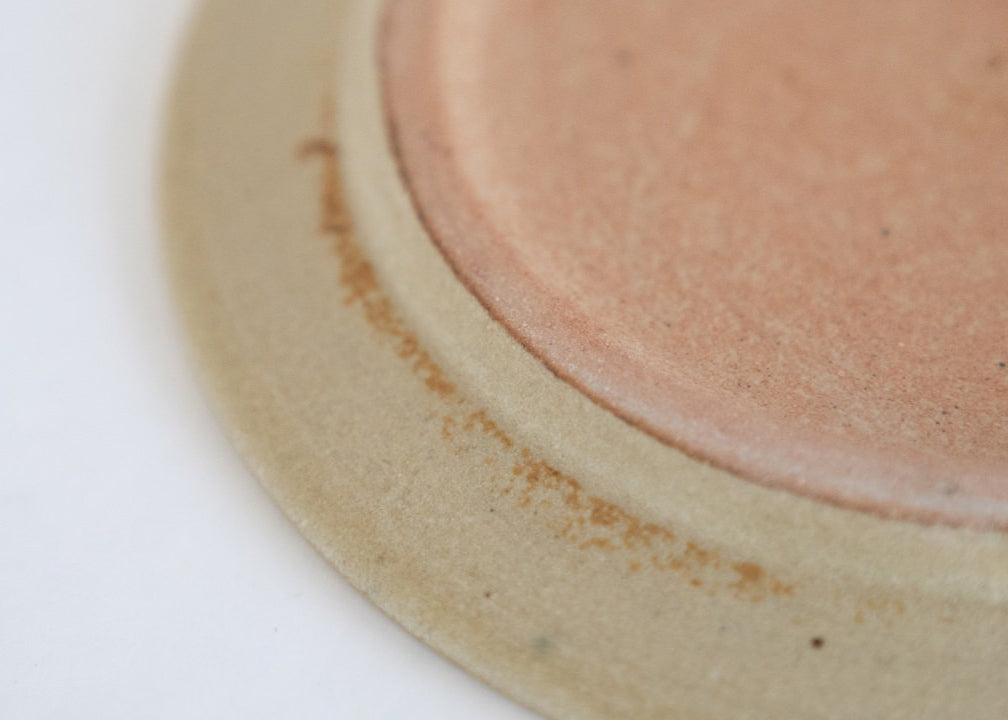
Fired in traditional cave kilns (anagama) and climbing kilns(noborigama), it is known for its warm reddish scarlet (hi-iro), natural green ash glaze, and deep black scorch marks — each a unique expression of fire and earth.
Its rustic texture and natural warmth have been loved for generations.
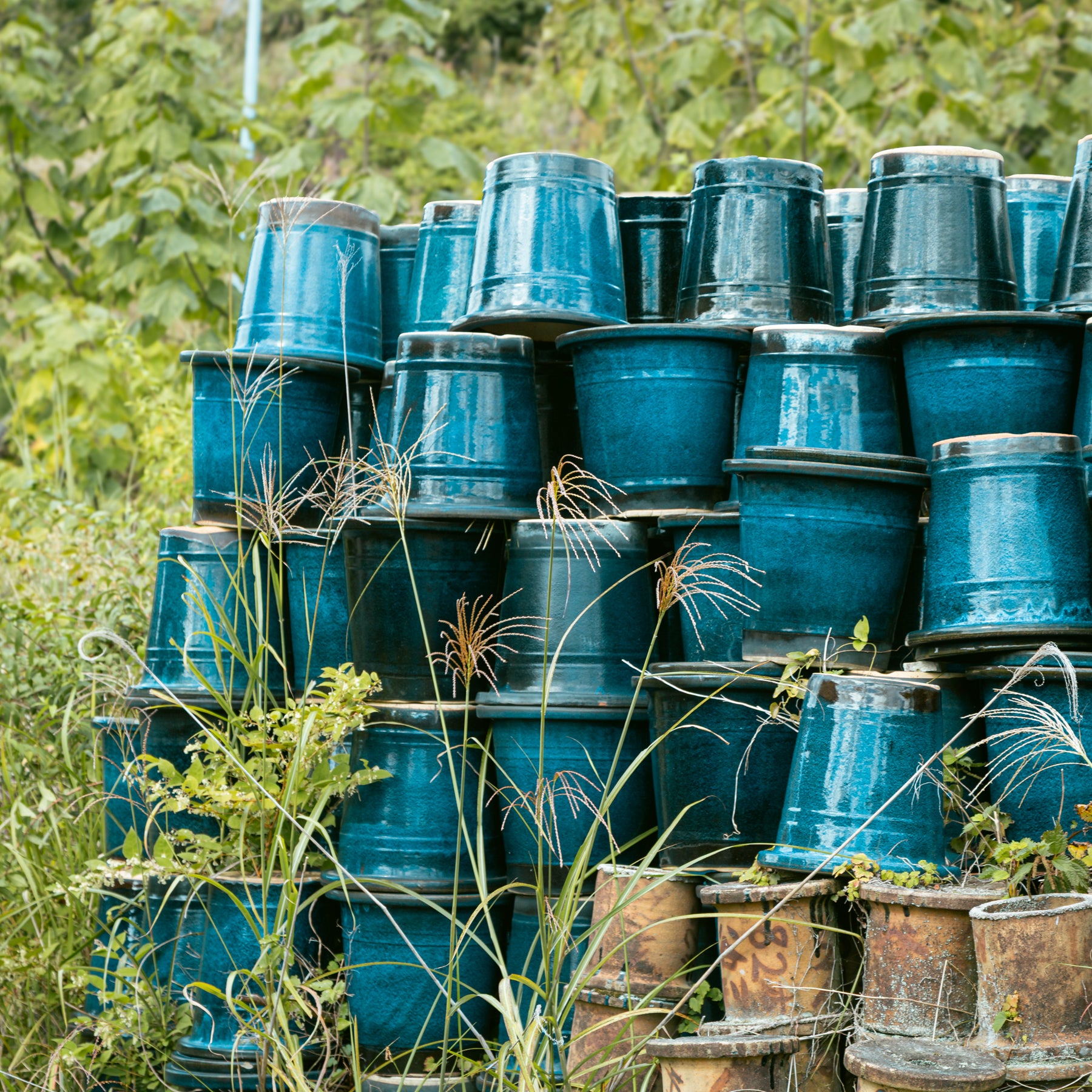
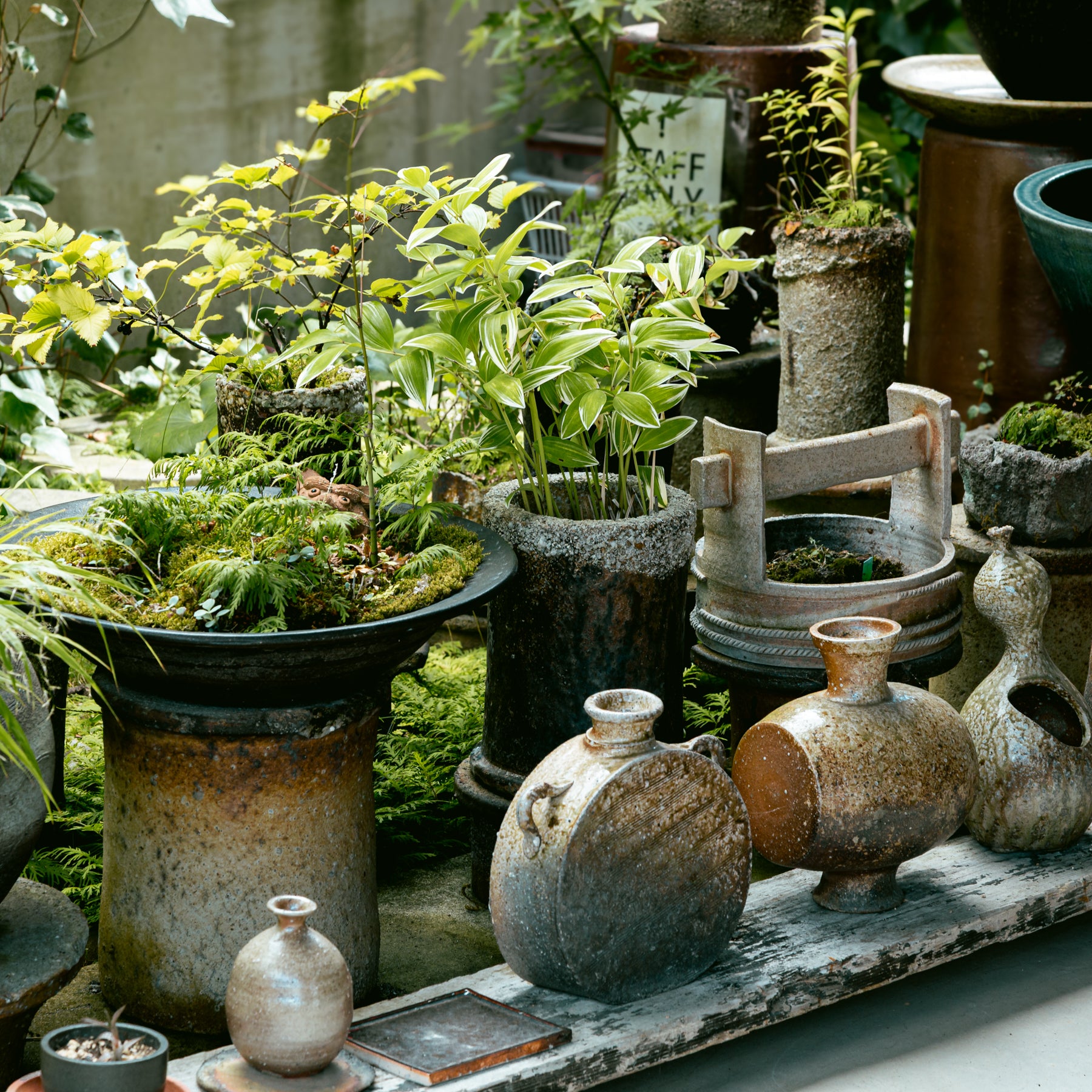
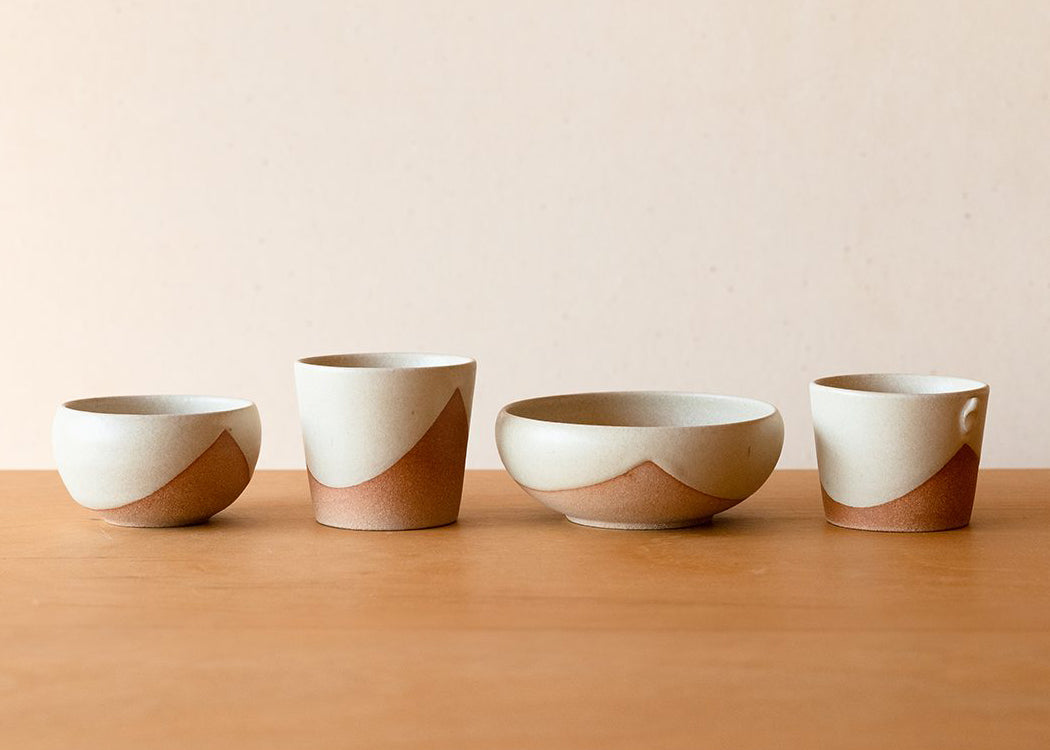
The clay of Shigaraki is highly plastic and remarkably strong, making it suitable for creating both small and large works from hibachi braziers and planters to vases, tableware, architectural tiles, garden pottery, and even bathtubs.
Rooted in daily life yet responsive to the needs of each era, Shigaraki ware has long supported Japanese culture through its practicality and craftsmanship.
About Product Quality
If you notice anything unusual with your order,
please check this page before contacting us.