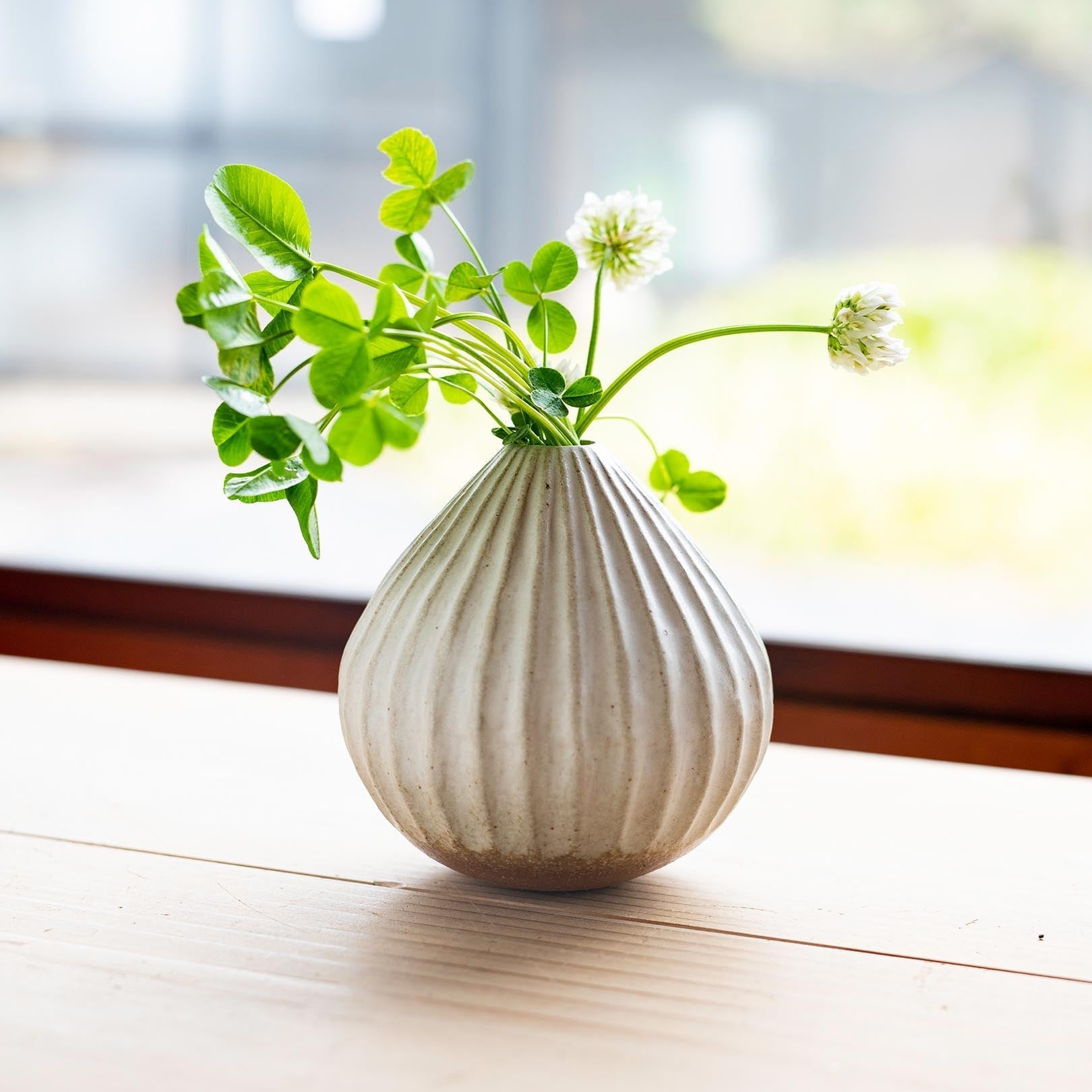
The Specialty of Shigaraki Ware | Excursion into Pottery

Where does Shigaraki clay come from?
You may already know that Shigaraki is located in Shiga Prefecture, famous for its Lake Biwa.
Lake Biwa, although still the largest lake in Japan, used to be much bigger. So big, in fact, that much of present-day Shiga, Osaka, and Kyoto were once covered by it.

This was millions of years ago, but as the lake receded, it left behind a vast layer of clay, rich, fine-grained, and ideal for pottery.
The clay we and many other potters use to create our products today was formed from this ancient lakebed, millions of years in the making.
Why is Shigaraki clay scarlet?
The clay itself is not scarlet when you work with it.
In its raw form, it appears grayish or brownish. The color only reveals itself after firing.

Shigaraki clay contains a high amount of iron, which reacts with oxygen in the air during firing. This oxidation process turns the clay its distinctive reddish-orange hue.
That is why our “scarlet” tones share the same color as rust. They are both the result of iron reacting with air.

But not to worry, although it is the same process as rust, the finished product does not smell metallic or leave any residue on your hands. There is only enough iron to give the clay its iconic color and warm character.
Why is the texture so rough?
Although we now think of clay as its own kind of material, it is really just earth.
What makes clay different from ordinary soil is its high silica content, which allows it to be pliable and to vitrify, meaning to melt and fuse together, when fired.

Potters have long refined and adjusted clay to suit their needs.
Some remove all impurities to create a smooth, soft, but relatively fragile clay body.
Others mix in feldspar, which is pre-fired and ground-up ceramic material, to produce clay that is stronger and more durable, though rougher to the touch.

Shigaraki potters traditionally did the latter, resulting in clay that is extremely robust and ideal for pieces meant to withstand daily use.
That slightly coarse texture is part of its charm, showing a material made for life, not just for display.
What is that greenish glaze?
The greenish glaze seen on old Shigaraki ware is called ash glaze.
In traditional noborigama or anagama wood-fired kilns, the intense heat creates strong drafts that carry ash and tiny wood particles through the chambers.

These particles settle on the pottery, and at high temperatures, the ash melts and forms a natural greenish glaze on the surface.

Today, since we no longer use wood-fired kilns, we recreate this look by applying a glaze that mimics the original ash effect, or by using actual ash glaze directly before firing.
While this modern approach removes some of the natural unpredictability of old wood firings, it is our way of preserving the aesthetic and spirit of traditional Shigaraki ware.